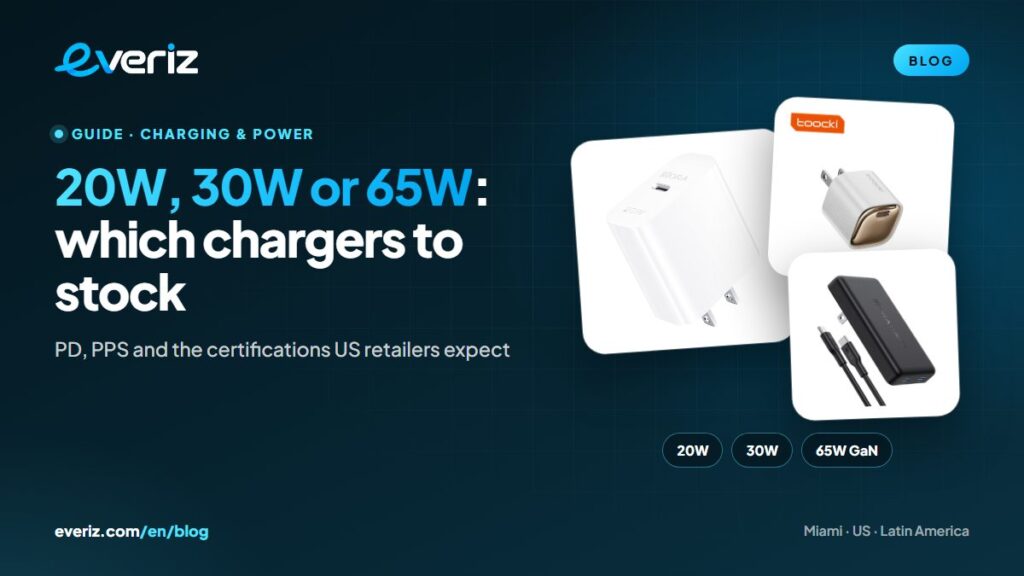
USB-C PD Chargers for Resale: 20W vs 30W vs 65W and the Certifications US Retailers Expect
A buyer's guide to stocking USB-C Power Delivery chargers: which wattages sell, PPS for Samsung phones, multi-port GaN bricks, and the FCC, UL/ETL and DOE marks retailers check before they buy.

In this article
Chargers are the accessory a phone store restocks most. They get lost, borrowed and broken, and new phones rarely ship with one in the box anymore. That makes the charger wall one of the most reliable revenue lines in the store, as long as you stock the right wattages, understand what each phone brand actually needs and can answer the compliance questions US retailers ask before they take a product. This guide is for buyers who purchase USB-C chargers wholesale to resell, whether you run a counter in Miami, an online store or a chain of kiosks.
Key takeaways
- A 20W USB-C charger covers fast charging on every iPhone since the iPhone 8 and is the fastest-moving SKU.
- Samsung’s Super Fast Charging needs a charger with PPS, from 25W to 45W depending on the model.
- A 65W GaN multi-port brick powers laptops and several devices at once, but it needs a 5A cable to deliver full power.
- Before buying a lot, check for an NRTL safety mark (UL, ETL or similar), the FCC statement and a per-port output label.
What USB Power Delivery is and why it matters for resale
USB Power Delivery (USB PD) is the standard that lets a charger and a device agree on how much power to send over a USB-C cable. Instead of a fixed 5 volts, the charger advertises several profiles (5V, 9V, 15V and 20V) and the device picks the one it supports. According to the USB-IF, the group that maintains the standard, USB PD topped out at 100W using 5A USB-C cables until Revision 3.1 raised the ceiling to 240W with new 28V, 36V and 48V levels.
For a retailer, the practical takeaway is simple: one good PD charger works with a lot of different devices. The same brick charges an iPhone, a pair of earbuds, a tablet and, with enough wattage, a laptop. That means fewer SKUs to manage and an easier sale, because the customer doesn’t have to guess.
PPS: the part Samsung phones care about
USB PD 3.0 added PPS (Programmable Power Supply), which fine-tunes voltage in small steps while the phone charges. Samsung Galaxy phones with Super Fast Charging (25W) and Super Fast Charging 2.0 (45W) rely on it. Plug them into a PD charger without PPS and they still charge, just more slowly. If a good share of your customers carry mid-range or flagship Android phones, look for “PD + PPS” on the label or spec sheet.
Which wattage to stock: 20W, 30W or 65W
The right mix depends on the phones that walk into your store. Here is what each tier covers and what to verify:
| Wattage | Best for | What to check | Cable |
|---|---|---|---|
| 20W USB-C | iPhone 8 and later, AirPods, many entry-level Android phones | 9V PD profile; single USB-C port | USB-C to Lightning or USB-C to USB-C, 3A |
| 25–30W | Samsung Super Fast Charging, iPad, iPhone Pro Max | PD with PPS; some add a USB-A port | USB-C to USB-C, 3A |
| 45W | Samsung Super Fast Charging 2.0, tablets, light laptops | PPS up to 5A | 5A USB-C cable with an e-marker chip |
| 65W GaN multi-port | USB-C laptops; charging a phone, tablet and earbuds together | How power is shared across ports | 5A USB-C cable to get 65W from one port |
20W: the charger that never stops selling
Apple’s fast-charging guide says iPhone 8 and later can reach 50% in about 30 minutes with an 18W or higher USB-C adapter, and iPhone 17 models get there in about 20 minutes with a 40W or higher adapter. Since Apple stopped putting a power adapter in the box, the 20W USB-C brick has become something nearly every iPhone owner needs. It is the anchor of any charger assortment, and our selection of wholesale phone chargers and cables carries 20W models at several brand and price points.
30W: more headroom in the same footprint
A 30W charger is barely bigger than a 20W one and covers more situations: 25W Samsung phones with PPS, iPads and slightly faster charging on the larger iPhones. It makes an easy upsell. A customer who asks for a 20W brick will often take the 30W model once you mention it also charges their tablet at full speed.
65W GaN: laptops and multi-device charging
Gallium nitride (GaN) chargers are smaller and run cooler than older silicon designs at higher wattages. A two- or three-port 65W brick is a great fit for customers with USB-C laptops or anyone who travels with several devices. The thing to explain at the counter is power sharing: the full 65W is only available on one port at a time. Plug in two or three devices and the charger splits the output, for example 45W plus 20W. The split is printed on the label or packaging, so keep it handy.
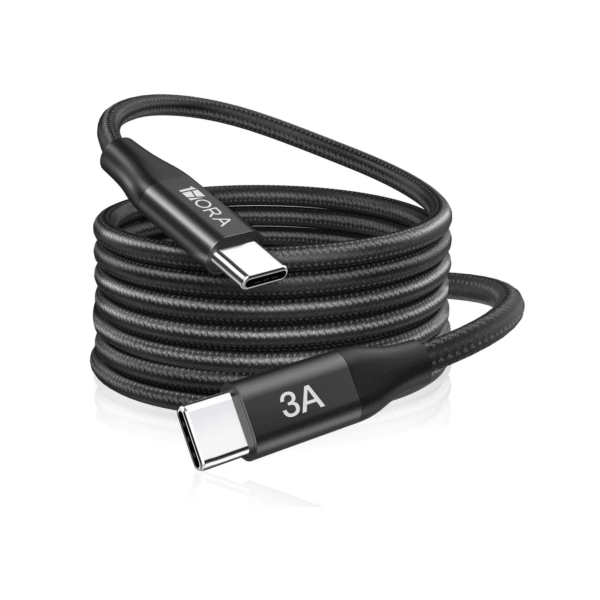
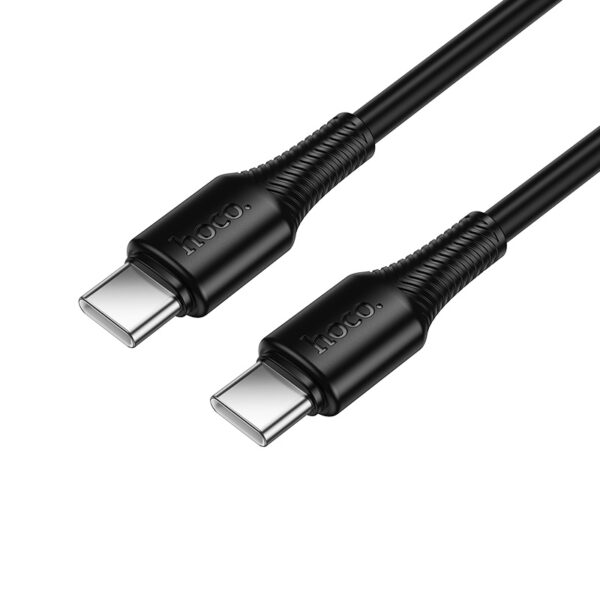
Mind the cable: above 3A (60W at 20V), a USB-C cable needs a 5A e-marker chip. Sell a 65W charger with a 3A cable and the customer will never see full power. We cover this in detail in our guide to USB-C and Lightning cables.
The certifications US retailers look for
If you sell to stores, regional chains or online marketplaces in the US, expect questions about compliance. These are the ones that come up most:
FCC Part 15
Almost every electronic device sold in the US has to meet the interference rules in 47 CFR Part 15. A wall charger is usually authorized through a Supplier’s Declaration of Conformity (SDoC), which requires a US-based responsible party and a compliance statement on the product or in its manual. Wireless chargers transmit radio energy on purpose and typically carry an FCC ID you can look up in the FCC’s equipment authorization database.
Electrical safety: UL, ETL or another NRTL
Safety marks come from labs recognized under OSHA’s Nationally Recognized Testing Laboratory (NRTL) program, including UL, Intertek (the ETL mark) and CSA. For chargers, the current reference standard is UL 62368-1, which replaced the older UL 60950-1. Federal law does not require every consumer charger to be NRTL listed, but many retailers, marketplaces and insurers do. A legitimate mark comes with a file number you can verify in the lab’s online directory.
Efficiency: the DOE “VI” mark
Since 2016, external power supplies sold in the US have had to meet the Department of Energy’s Level VI efficiency standard, which most manufacturers show as a Roman numeral VI inside a circle. In 2025 the DOE proposed rescinding that standard, so its future is under review. Even so, the mark remains a good sign that the manufacturer takes compliance seriously.
A quick checklist for evaluating a sample
- Input rated “100–240V ~ 50/60Hz”, so it works in the US and in most of Latin America.
- Output listed per port (for example, 5V ⎓ 3A, 9V ⎓ 2.22A) along with the PD and PPS profiles.
- An NRTL mark with a file number you can verify.
- An FCC statement or FCC ID, plus the manufacturer or importer and a model number.
- Retail packaging with a UPC barcode, instructions and clear warranty terms.
- A test with a USB power meter: negotiated voltage and current should match the label.
If a sample fails this list, don’t buy it in volume. Our guide on avoiding counterfeit phone accessories walks through the warning signs of a charger that doesn’t comply.
How to build your charger assortment
A charger wall that works balances three things: wattage, connectors and price tiers. You don’t need dozens of SKUs. You need the right ones.
- A 20W USB-C core in two price tiers: a value brand that turns fast and a mid-range option for customers who want something better.
- A 30W charger with PPS for Samsung phones and tablets. It is often the best margin per unit on the wall.
- A 65W GaN multi-port charger for laptops and office customers. It sells less often but raises the average ticket.
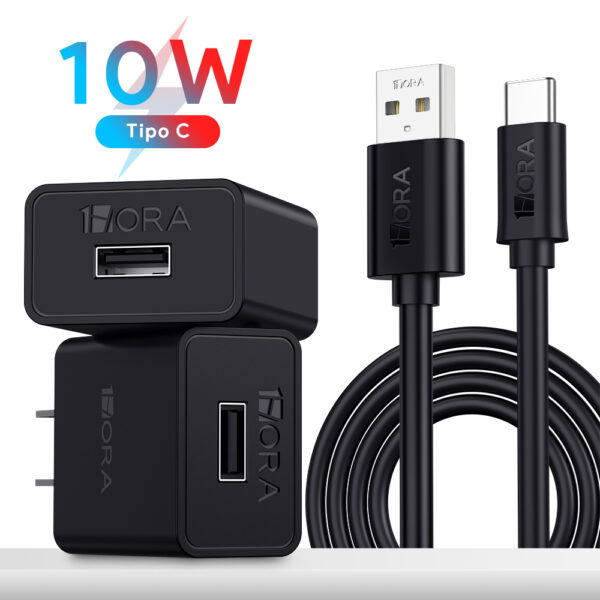
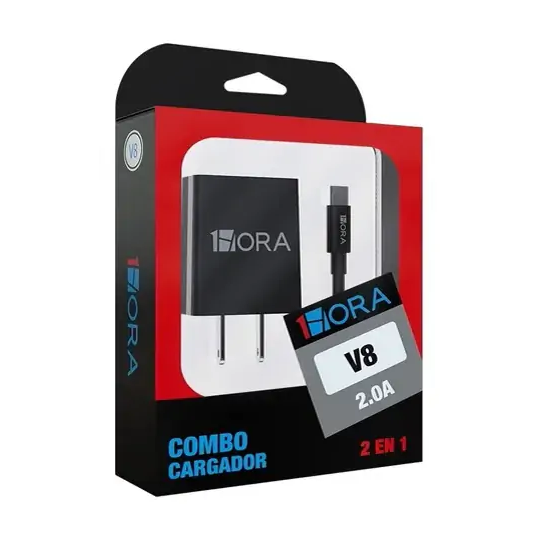
- Charger-and-cable bundles for customers who show up with nothing. They make the sale simple and keep people from pairing a fast charger with a slow cable.
- Car chargers and wireless chargers as add-ons, depending on your customer base.
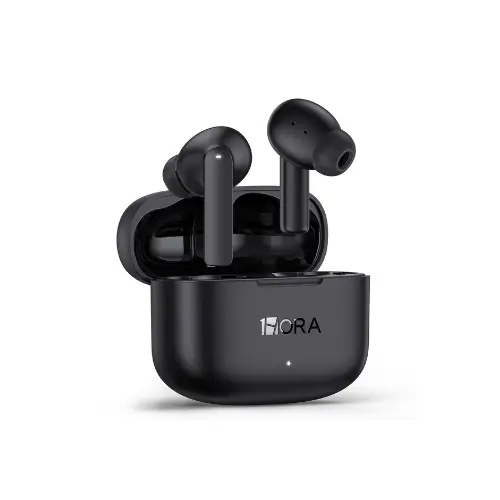
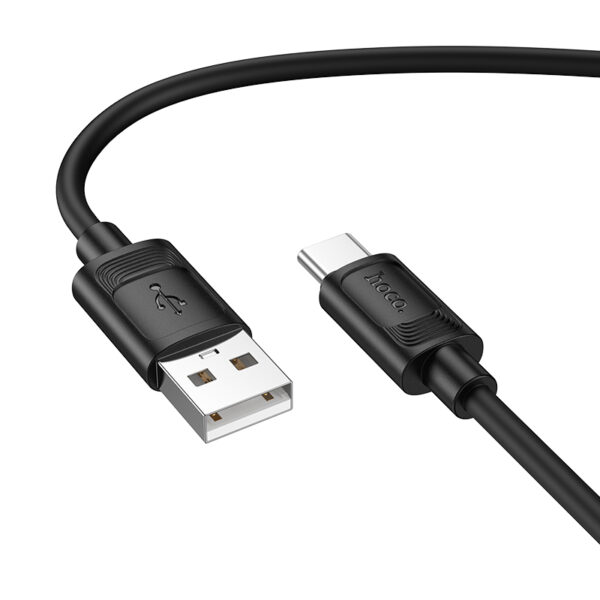
On brands: EVERIZ is an authorized distributor of 1HORA and Hoco, along with our own EVERIZ brand, and we also carry UGREEN and TOOCKI for customers who want a step up. Stocking two or three brands at different price points lets you serve the shopper who wants the cheapest option and the one who will pay for a name they know.
Common mistakes when buying chargers wholesale
- Buying on price alone. A charger that runs hot or dies in a few weeks costs you returns and customers.
- Ignoring PPS. Samsung customers notice their new charger “isn’t fast” and come back to complain.
- Bundling a 65W charger with a 3A cable. The device never gets the power the customer paid for.
- Skipping samples and spec sheets. A reputable supplier will share the label, spec sheet and warranty terms before you buy in volume.
- Overbuying. Volume pricing makes it tempting to load up. Start with the wattages your customers ask for most and reorder often.
Frequently asked questions
Will a 30W charger damage an iPhone that supports 20W?
No. With USB PD, the phone only draws the power it supports: the charger advertises profiles and the device chooses. A well-made 30W charger is safe for an iPhone and leaves headroom for a tablet or a Samsung phone.
What’s the difference between a GaN charger and a regular one?
Gallium nitride allows smaller, more efficient components, which is why a 65W GaN brick can be about the size of an older 30W charger. For the end customer, that means less weight and less heat.
Is UL certification required to sell chargers in the US?
Federal law doesn’t require every consumer charger to carry an NRTL mark, but many retailers, marketplaces and insurers do. In practice, if you want to sell to other retailers, you need it.
Do US chargers work in Latin America?
If the label says “100–240V ~ 50/60Hz,” the charger works on any power grid in the region. Check the plug type: many countries use the same flat US plug, but not all of them.
Next step
To build a charger wall that sells, start with 20W, add a 30W PPS model and a multi-port GaN brick, and always ask for spec sheets and certifications. EVERIZ ships from stock in Miami with volume pricing, pickup in about two hours during business hours and delivery anywhere in the US or to your freight forwarder. Open a wholesale account or message us on WhatsApp and we’ll help you put together your first order.