How to Avoid Counterfeit Phone Accessories: A Buyer’s Guide for Retailers
How to keep counterfeit chargers, cables and power banks off your counter: physical red flags, verifying UL and FCC claims, the legal and safety risks, and why an authorized distributor is your best protection.

In this article
A counterfeit charger isn’t just a bad sale. It can overheat, damage a customer’s phone or start a fire, and selling goods with fake trademarks exposes your business to seizures and claims. The problem is real and large. In May 2025, US Customs and Border Protection (CBP) seized 373,000 counterfeit Apple-branded Lightning chargers at the Port of Houston, valued at more than $7 million. This guide shows you how to spot fake accessories before they reach your counter and how to buy with confidence.
Key takeaways
- Counterfeit chargers most often fail on insulation, which means a risk of electric shock and fire.
- Be wary of prices far below market, sloppy packaging and certification marks without a verifiable number.
- Verify safety marks in the testing lab’s directory (UL Product iQ) and FCC IDs in the FCC’s database.
- Your best protection is buying from an authorized distributor that issues invoices and honors warranties.
Why a fake charger is dangerous
A wall charger converts line voltage into low voltage for the phone. If the separation between the high-voltage and low-voltage sides isn’t built correctly, the user can get a shock or the charger can overheat. In a study commissioned by the UK’s Chartered Trading Standards Institute and carried out by UL, 397 of 400 counterfeit Apple chargers bought online in several countries failed a basic insulation test. The researchers traced much of the problem to transformers that lacked the required triple-insulated wire.
Batteries follow the same pattern: a power bank with low-grade cells or missing protection circuits can swell or catch fire, and it usually advertises far more capacity than it actually has.
The risks to your business
- Legal: goods with counterfeit trademarks can be seized, and selling fakes opens you up to claims from the brands.
- Safety: an accident involving a product you sold is the worst thing that can happen to a store.
- Commercial: returns, customers who don’t come back and, if you sell on marketplaces, account suspensions.
There’s also a quieter cost: insurance. If a product you sold causes damage, your insurer will want to know where it came from. Invoices from an authorized distributor and verifiable certification numbers put you in a much stronger position than a cash purchase from an unknown seller.
Physical red flags of a counterfeit accessory
- An impossible price. If a name-brand product costs far less than everywhere else, there’s a reason.
- Sloppy packaging: blurry printing, typos, off colors or a missing barcode.
- Odd weight. Fake chargers are often lighter because components are missing.
- Questionable certification marks: FCC, UL or CE logos that are poorly printed, have no file number or carry a number that doesn’t show up in any directory.
- Missing details: no manufacturer or importer, no model number, no input and output specs.
- Failed verification: if the brand offers an authenticity code or check, use it.
Fake certification marks are common. In 2017, CBP seized 38,000 power adapters bearing unauthorized FCC marks in Charleston, along with thousands of accessories carrying counterfeit brands. A logo proves nothing if you can’t verify it.
How to verify certifications
| Mark | What it means | How to verify it |
|---|---|---|
| UL | Product evaluated by UL, an OSHA-recognized testing lab | Look up the file number in UL Product iQ (free with registration) |
| ETL | Product evaluated by Intertek, another recognized lab | Search the product in Intertek’s directories |
| FCC ID | Radio equipment certified by the FCC (a wireless charger, for example) | Enter the code in the FCC ID search |
| FCC compliance statement | Charger authorized under a Supplier’s Declaration of Conformity (no FCC ID) | It must name a responsible party with a US address |
| MFi (Lightning) | Accessory certified by Apple | Follow Apple’s guide to identifying counterfeit Lightning accessories |
Ask your supplier for the spec sheet and certification number of each product before you buy in volume. A reputable supplier hands them over without hesitation; if they can’t, you have your answer. For the wattages and standards to ask about on each charger, see our guide to 20W, 30W and 65W USB-C chargers.
Power banks: inflated capacity
With power banks, the most common fake isn’t the brand, it’s the capacity. A unit promising 30,000 or 50,000 mAh at a rock-bottom price usually holds far fewer cells than advertised, sometimes with filler added for weight. Some clues: the case is too small or too light for the stated capacity, the label doesn’t list watt-hours, there’s no identifiable manufacturer and recharging finishes suspiciously fast. If you have a USB power meter, measure the energy it delivers over a full discharge and compare it with the claim. And remember that besides misleading the customer, a low-grade battery is a fire risk.
Train your team
Fakes don’t only arrive through big wholesale buys. They also slip in through new suppliers, last-minute deals and rush restocks. A trained team catches them before they hit the shelf:
- Check every new lot against the red flags in this guide.
- Compare with a known-genuine reference unit: weight, packaging, print and connectors.
- Buy only from approved suppliers and flag any deal that looks too good.
- Keep the invoice for every lot so you can trace its origin if a claim comes up.
At the counter, explaining the difference actually sells: a customer who understands why a certified charger costs more usually chooses it, and comes back.
The best defense: an authorized distributor
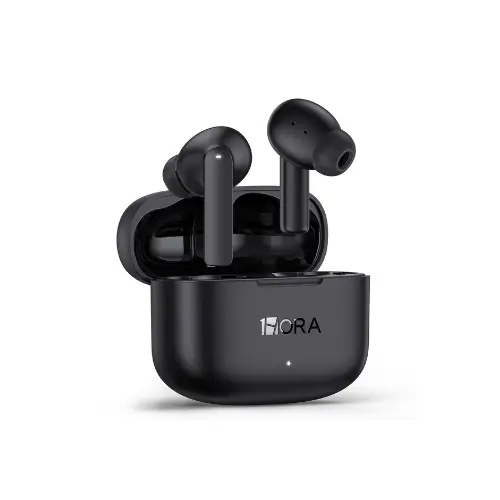
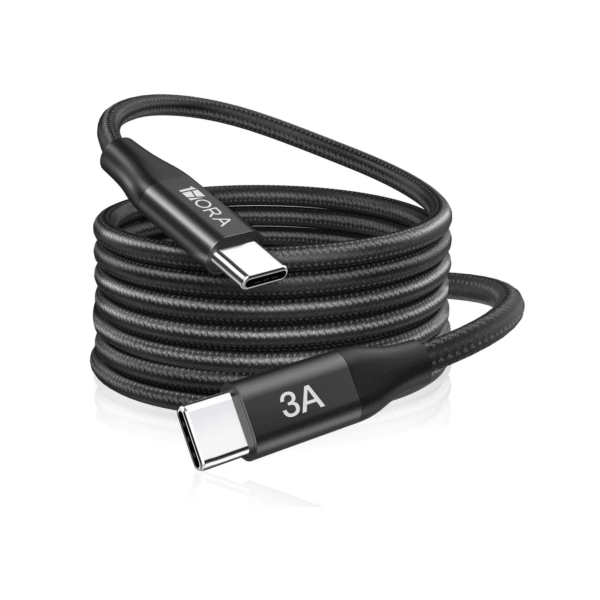
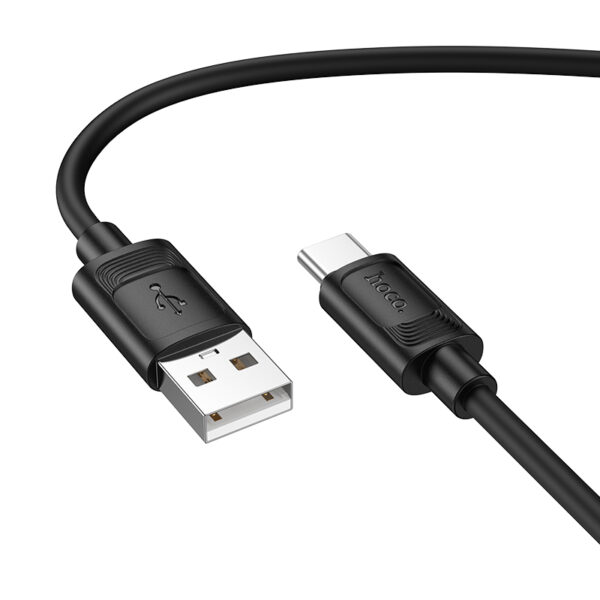
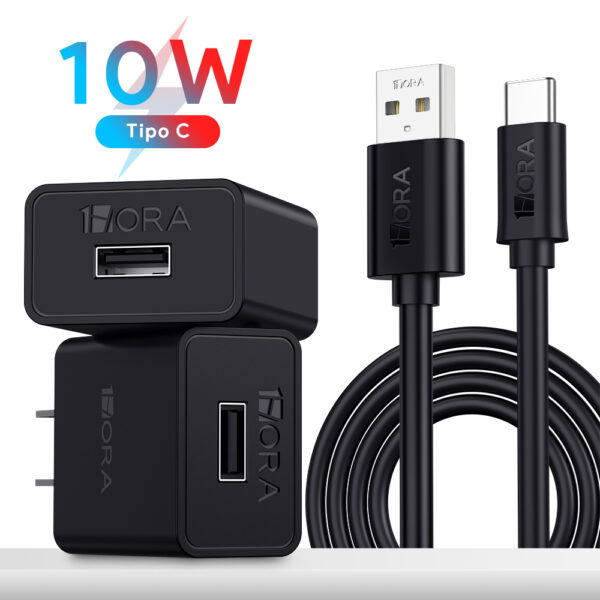
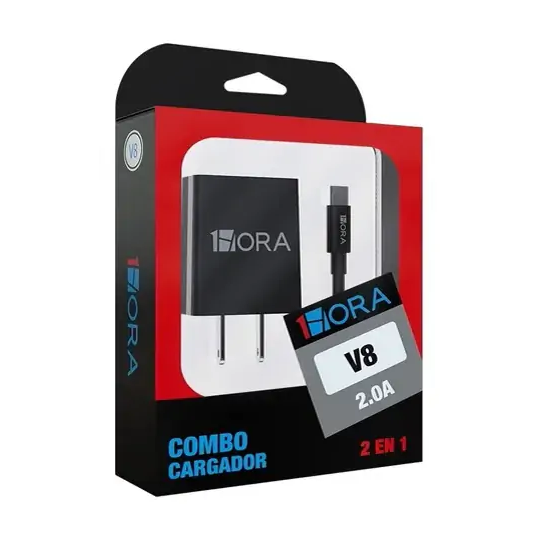
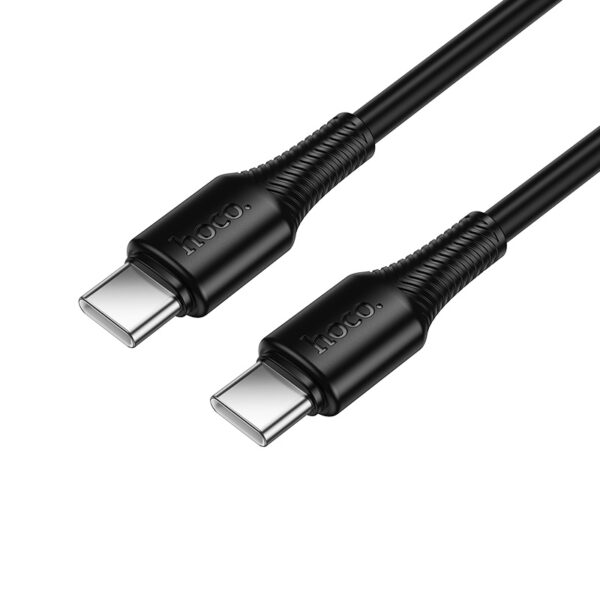
An authorized distributor buys from the brand or its official representative, so the chain from factory to your store is known. That gets you genuine goods, an invoice and a warranty backed by the brand. EVERIZ is an authorized distributor of 1HORA, EcoFlow, Hoco, Borofone, BWOO, UNNO and TENDA, plus our own EVERIZ brand. In our selection of wholesale phone chargers and cables you’ll find lines from Hoco and 1HORA, among others. To compare brands, see our guide to phone accessory brands that sell.
What to do if you receive suspect goods
- Pull them from sale until you’ve confirmed where they came from.
- Document everything with photos of the product, packaging, labels and invoice.
- File a written claim with the supplier and ask for a return or replacement.
- Report it when appropriate. In the US, CBP accepts tips about imports that infringe trademarks through its e-Allegations program.
Frequently asked questions
How can I tell if a charger is genuine?
Check the weight, the packaging and print quality, look for complete manufacturer details and make sure its certification marks can be verified in the testing lab’s directory. And buy it from an authorized distributor.
Does an FCC logo mean a charger is safe?
No. The FCC regulates radio interference, not electrical safety, and the logo can be printed without authorization. For safety, look for a recognized lab’s mark (UL, ETL or another) with a number you can verify.
Is a Lightning cable without MFi certification fake?
Not necessarily fake, but it isn’t certified by Apple, and according to Apple it may fail to charge or sync or even damage the device. For demanding customers, offer MFi-certified cables from reputable brands.
What should I do if a customer brings in a counterfeit they bought elsewhere?
Explain the risks calmly, recommend they stop using it and offer a genuine alternative. It’s a chance to earn their trust.
Next step
Run your current supplier through this guide: request spec sheets and certification numbers and compare them with what you receive. If you want to buy from an authorized distributor with stock in Miami, open a wholesale account or message us on WhatsApp.