How to Start a Cell Phone Accessories Business: Suppliers, Margins and Inventory
A step-by-step plan to launch a phone accessories store, kiosk or online shop: the starter assortment that turns, how to price for margin, how much inventory to buy and what to ask a wholesale supplier.

In this article
A cell phone accessories business has some clear advantages: the upfront investment is moderate, the products are small and easy to store, and customers come back because chargers get lost, cases wear out and phones get upgraded. Still, not every new store makes it through year one. The difference usually comes down to three things: an assortment that turns, prices built on real numbers and disciplined inventory. This plan will help you start on the right foot, whether you’re opening in the US or selling in Latin America.
Key takeaways
- Choose your format (storefront, mall kiosk, online store or repair shop) before you buy inventory.
- Start with the fastest-moving categories: chargers, cables, cases, screen protectors and earbuds.
- Price on your landed cost, not just the supplier’s price.
- Buy small and reorder often: inventory sitting on a shelf is cash that isn’t working.
1. Choose your format
| Format | Pros | Watch out for |
|---|---|---|
| Storefront | Immediate sales, customer trust, easy cross-selling | Rent, hours and staffing |
| Mall kiosk | Heavy foot traffic and impulse buys | Limited space, so the assortment must be tight |
| Online store or marketplace | Reach more customers without a storefront | Photos, shipping, returns and fees |
| Repair shop with accessories | The customer is already in your store, so protectors and cases sell with every repair | Requires a technician and a parts inventory |
Many businesses combine two: a physical store with social media sales, or a repair shop that sells accessories at the counter.
2. A starter assortment that turns
You don’t need thousands of SKUs. You need the ones that sell themselves, in the versions that fit the phones your customers carry. A solid base includes:
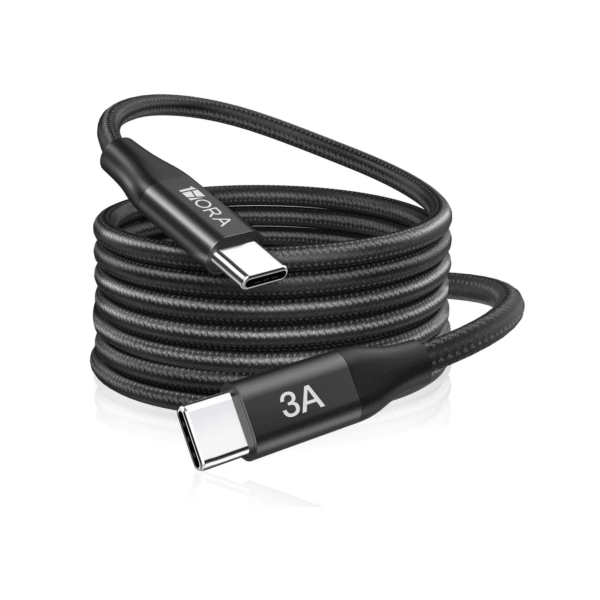
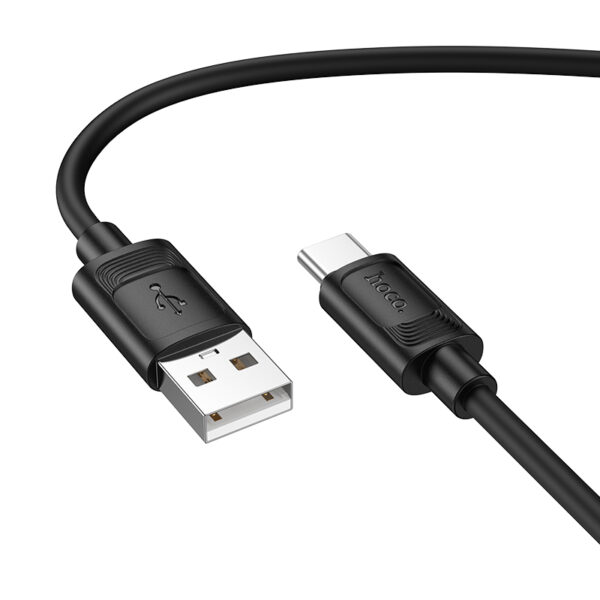
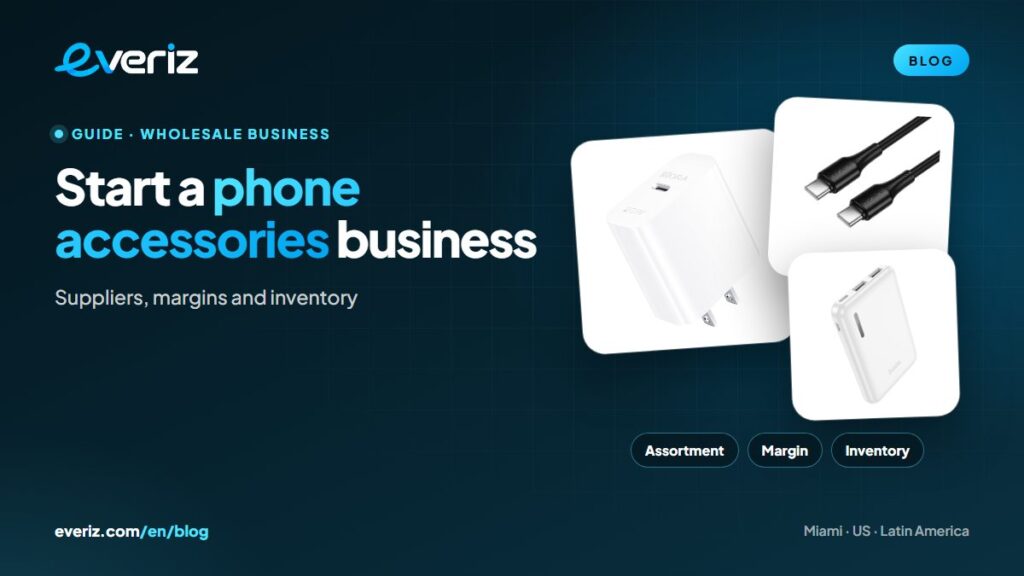
- Chargers and cables: a 20W USB-C charger, USB-C and USB-C to Lightning cables and a car charger or two.
- Cases: for the most popular models in your area. Compatibility is everything here, so pay attention to the phones you see every day.
- Screen protectors: tempered glass or hydrogel, ideally installed on the spot.
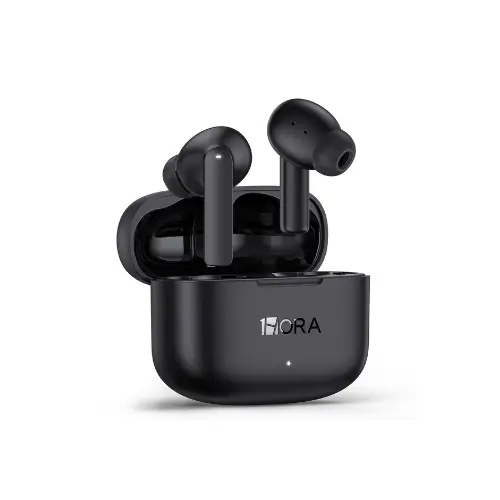
- Audio: budget wireless earbuds, plus wired earphones for customers who still prefer them.
- Power banks and mounts: impulse buys that raise the average ticket.
To see a supplier’s full range before deciding, browse our page on wholesale phone accessories or our phone cases section, one of the deepest in the catalog.
3. How to set prices and margins
The most common mistake is pricing by gut or copying the store next door. Work with two concepts:
- Landed cost: supplier price + freight + duties or taxes + payment fees. That’s your real cost per unit.
- Margin: (selling price − landed cost) ÷ selling price. Don’t confuse it with markup, which is calculated on cost.
Illustrative example: an accessory costs you $4.00 and freight adds $0.50 per unit, so your landed cost is $4.50. Sell it for $12.00 and you make $7.50 per unit, a 62.5% margin (and a 167% markup). That margin is what covers rent, payroll and the products that never sell.
Not every product earns the same margin. Screen protectors and cases usually earn more as a percentage; name-brand chargers earn less per unit but sell more often. What matters is your total margin for the month, not each product on its own. And the more you buy, the lower your costs go, as we explain in our guide to wholesale volume pricing and tiers.
4. How much inventory to buy
When you’re starting out, the real risk isn’t running out of stock. It’s filling the shelves with products that don’t sell. A few practical rules:
- Set a reorder point: daily sales × restock lead time in days + a safety buffer. If you sell 5 cables a day and restocking takes 3 days, reorder when you’re down to about 15, plus a safety cushion.
- Rank your products: your best sellers (A items) should never run out; occasional sellers (C items) get bought in small quantities.
- Reorder often, in small batches, while you learn what turns. If you buy in Miami, pickup in about two hours lets you run leaner.
- Review monthly what didn’t sell and move it with promotions or bundles before it goes stale.
5. How to choose a wholesale supplier
Your supplier shapes your margins and your reputation. Look for one that’s an authorized distributor of the brands it sells, actually has the stock it shows and stands behind its warranty. Our 10 questions for choosing a distributor will save you more than one mistake.
6. Paperwork and permits
In the US, the basics are:
- Form your business and get an Employer Identification Number (EIN), which the IRS issues online for free.
- Register to collect sales tax in your state. In Florida, the Department of Revenue issues every registered dealer an annual resale certificate for buying inventory tax-free.
- Any local business licenses your county or city requires.
If you buy from EVERIZ for resale, upload your resale certificate for the year and, once approved, your purchases are exempt from Florida sales tax. Details are on our tax-exempt purchasing page.
In Latin America, you’ll need your country’s tax registration (RFC in Mexico, NIT in Colombia or Guatemala, RUC in Peru, Ecuador or Panama, RNC in the Dominican Republic, and so on) and a handle on import requirements if you buy abroad.
7. Merchandise for more sales
- Sort chargers by wattage and cables by connector so customers find what they need without asking.
- Set up a test station for earbuds and chargers.
- Build bundles (charger + cable, case + screen protector) that raise the ticket.
- Offer on-the-spot screen protector installation: customers value the service.
8. The numbers to review every month
| Metric | How to calculate it | Why it matters |
|---|---|---|
| Gross margin | (Sales − landed cost of goods sold) ÷ sales | Tells you whether your prices cover your expenses |
| Inventory turnover | Cost of goods sold ÷ average inventory | Shows how many times you turn your stock |
| Average ticket | Sales ÷ number of transactions | Measures whether bundles and recommendations are working |
| Non-moving SKUs | Items with no sales in 60–90 days | Spots idle cash and what to clear out |
| Return rate | Units returned ÷ units sold | Flags problem products or suppliers |
You don’t need expensive software: a well-kept spreadsheet is enough to start. What matters is reviewing it every month and making decisions with data.
First-year mistakes
- Buying too much variety instead of depth in what actually turns.
- Pricing without accounting for freight and fixed costs.
- Choosing a supplier on price alone, then paying for it in returns and stockouts.
- Mixing business and personal money, which makes it impossible to tell whether you’re really profitable.
Frequently asked questions
How much money do I need to start?
It depends on your format and location, but for inventory you can start with a small assortment of fast movers and reorder weekly. It’s better to grow with what sells than to tie up cash in stock.
Which accessories have the best margins?
As a percentage, screen protectors and cases usually lead. Name-brand chargers and cables earn less per unit but sell more often. Always look at your total monthly margin.
Can I buy wholesale without a physical store?
Yes, as long as you have a registered business. Wholesalers will ask for your company details when you open an account.
Do I need a resale certificate to buy tax-free?
In the US, yes: it’s the document that shows you’re buying for resale. In Florida, the Department of Revenue issues it to registered dealers.
Next step
Pick your format, write a short list of fast-moving products and price everything on landed cost. When you’re ready for your first order, open a wholesale account with EVERIZ or message us on WhatsApp and we’ll help you choose your starter assortment.